Hi, I'm
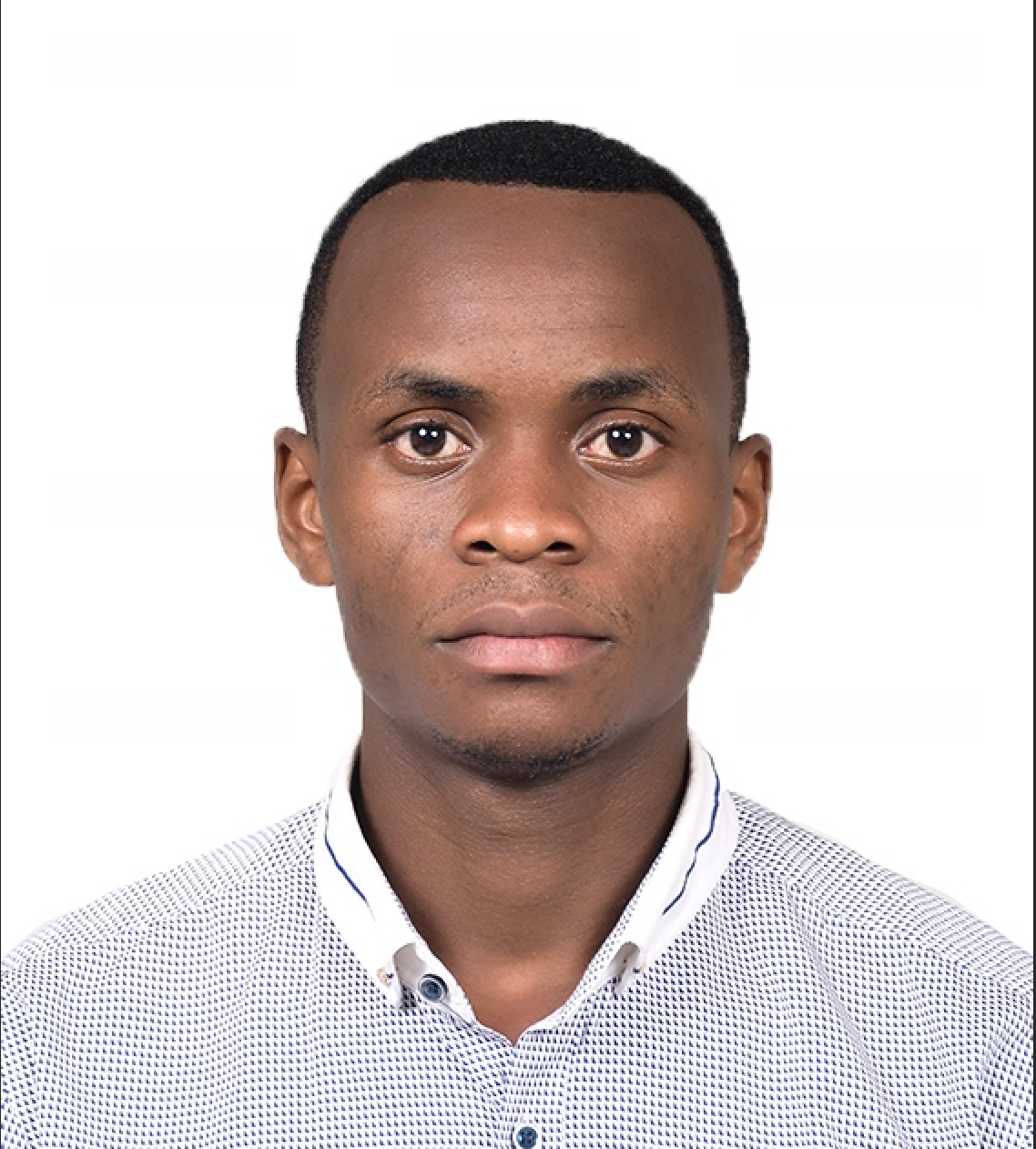
Delphin Kaduli
Analytics with 5 years turning complex transaction data into fraud detection, financial-crime risk mitigation, and regulatory-compliance solutions, models and dashboards built to drive smarter decisions, not sit in a notebook.
Available for hire
About Me
I didn’t start in data by chasing models, I started by trying to understand how systems behave. What began as curiosity about patterns and signals grew into a commitment to building tools that help people make clearer, more confident decisions.
Today, I focus on fraud detection, risk analytics, and the data systems that support them. I care about clean pipelines, reliable features, and models that hold up in production not just in a notebook. My work spans engineering discipline with a mindset shaped by faith, family, and movement. I believe great systems outperform great individuals, and I bring that philosophy into every collaboration.
Looking ahead, I’m driven by one question: does the system help someone make a better call? That’s the standard I build toward from ingestion to validation, modeling to deployment, and everything in between.
Projects
My work focuses on the intersection of Fraud Detection, Risk Analytics, Predictive Systems, and Data Engineering.

Fraud Detection System
Delivered 0.93 Precision and 0.82 Recall on a 0.17% imbalanced dataset - 93% of flagged transactions were confirmed fraud.
Credit Risk & Portfolio Analytics
Secured $3.6B in expected portfolio profit and 90.8% default-detection accuracy, approving 35,895 mortgages while capping default rate at 7.00%.

Demand Forecasting System
Achieved a 51% MAE reduction with a production-ready 12-hour demand forecasting pipeline deployed via Docker and cloud infrastructure.

ETL & Compliance Reporting Platform (WMATA)
Delivered a 100% clean data SLA across 1M+ real-time records/day, powering regulatory and compliance reporting with sub-4-minute pipeline cycles.

Customer Churn Prediction
Identified the Tenure Effect - customers in their first 12 months are the highest-risk segment, enabling proactive retention strategies.
Technical Skills
Tools and technologies I use to build production-ready data systems
Python (Pandas, NumPy, Polars)
SQL (CTEs, Window Functions, Optimization)
ETL Pipelines (Airflow, Medallion Architecture)
Data Quality, Validation & Monitoring
Power BI & Tableau (DAX, Dashboards)
Data Warehousing (Snowflake, PostgreSQL)
Core Tech Stack
Python
SQL
PostgreSQL
Snowflake
AWS
Airflow
Docker
Scikit-learn
MLflow
FastAPI
Streamlit
Power BI
GitHub
Tableau
NumPy
Pandas
Experience
Impact & Results
Risk and Fraud Analyst
Infinite Future Bank
Apr 2026 - Present
Full-time
CRM Analytics Engineer
Utah Valley Refugees
Jan 2026 - Apr 2026
Contract
Data Scientist & Research Analyst
The Catholic University of America
Jan 2024 - Dec 2025
Contract / Research Fellow
Data Quality Analyst
Women of Faith
Jul 2021 - Dec 2023
Full-time
What I'm Learning Now
Continuous growth in production ML and data engineering
Deep Learning & NLP
Building neural networks for text classification, sentiment analysis, and language understanding with PyTorch and Transformers.
Model Monitoring & Drift Detection
Implementing drift alerts, performance dashboards, and automated retraining triggers.
Feature Stores & Real-Time ML
Exploring Feast and online feature pipelines for fraud detection and low-latency scoring.
AWS Step Functions & Event-Driven Pipelines
Designing serverless workflows that orchestrate ML systems with reliability and traceability.
Advanced Airflow Patterns
Building more resilient DAGs, improving observability, and applying data quality checks at scale.
Contact Me
Let's build something Amazing